Close search
Popular searches
19 Dec 2025 UTC+8 views:
Many companies are unsure whether to choose cast steel or cast iron for their castings. Today, Great Wall Steel Casting will help you understand the differences. Which should you choose: cast steel or cast iron? How do you decide?
The cost comparison between cast steel and cast iron involves several aspects, including materials, production, processing, and long-term use.
From the perspective of material and production costs, cast iron parts are generally less expensive: Due to the higher carbon content of cast iron (generally exceeding 2%), its melting and casting processes are relatively simple, with good fluidity, making it easy to fill molds, thus reducing energy consumption and labor requirements.
The casting process for cast iron is more mature and suitable for mass production of thin-walled parts, further reducing unit costs. Cast steel parts have higher production costs: Cast steel has a lower carbon content (generally less than 2%), but requires stricter melting control and heat treatment processes to avoid shrinkage stress and cracks. This leads to increased energy consumption, time, and inspection costs, making the overall production more resource-intensive.
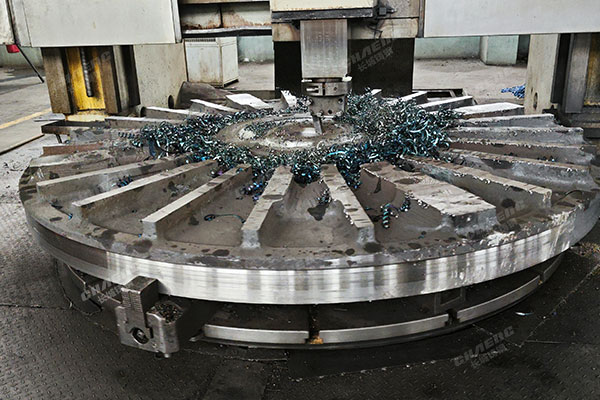
However, from the perspective of long-term use and replacement costs, cast iron parts have a lower initial cost but may have a shorter lifespan: although cast iron parts are affordable, their brittleness may lead to faster wear or failure in heavy-load or high-impact environments, increasing the frequency of replacement. Cast steel parts, on the other hand, have a higher initial cost but offer better long-term economic benefits: cast steel parts have higher strength, toughness, and durability, allowing them to withstand greater loads and impacts, reducing maintenance and replacement needs. From a life cycle perspective, although the initial investment is higher, the long-term cost may be lower, especially in heavy machinery or high-stress applications. Therefore, for heavy-load, high-speed, or high-impact applications, such as bearing housings and heavy machinery parts, the durability of cast steel parts can reduce long-term costs. For low-speed, light-load applications, such as general structural components or decorative items, cast iron, with its significant cost advantage, can be used.
----- END -----